In today’s fast-paced digital economy, product codes serve as the invisible backbone of global commerce. They power supply chains, enable e-commerce platforms, support inventory management, and ensure that every single item can be tracked with pinpoint accuracy from manufacturer to end consumer. Among the many identifiers circulating in today’s product databases, ycbzpb00005102 stands out as a specific alphanumeric code that has attracted growing interest from professionals, procurement specialists, and technology enthusiasts alike.
Whether you are a warehouse manager trying to locate a specific item, a developer integrating product data into a system, or simply a curious individual researching what this code refers to, this comprehensive guide will walk you through everything you need to know. We will cover the structure of alphanumeric product codes, the industries that rely on them, the technical systems behind their management, and the practical significance of the specific identifier ycbzpb00005102 in real-world applications.
This article serves as your one-stop resource — thoroughly researched, clearly structured, and fully optimized to deliver actionable information on this topic. By the end, you will understand how product codes like this one function, why they matter, and how multiple sectors of the global economy use them.
What Is a Product Code and Why Does It Matter?
The Role of Identifiers in Modern Commerce
A product code is a unique string of characters — letters, numbers, or a combination of both — assigned to a specific product, component, or service. These codes form the foundation of product identification systems used in retail, manufacturing, logistics, healthcare, and countless other industries. Without product codes, tracking billions of items across global supply chains would be virtually impossible.
Product codes serve several critical functions. They eliminate ambiguity in product identification, reduce errors in order processing, enable automated inventory management, facilitate accurate billing and invoicing, and support compliance with industry regulations. In essence, a product code like ycbzpb00005102 acts as a universal language that allows humans and machines to communicate about a specific item without confusion or misinterpretation.
The importance of these identifiers has only grown with the rise of e-commerce, digital marketplaces, and global trade. Today, a single product can sell across dozens of countries, sit in hundreds of warehouses, and appear on thousands of platforms — and the humble product code keeps all of that information coherent.
Types of Product Codes Used Today
There are many types of product codes in use across different industries. Understanding the landscape helps contextualize where alphanumeric codes like our subject fit:
• SKU (Stock Keeping Unit): Retailers aur manufacturers ke internal inventory tracking ke liye use hone wale codes
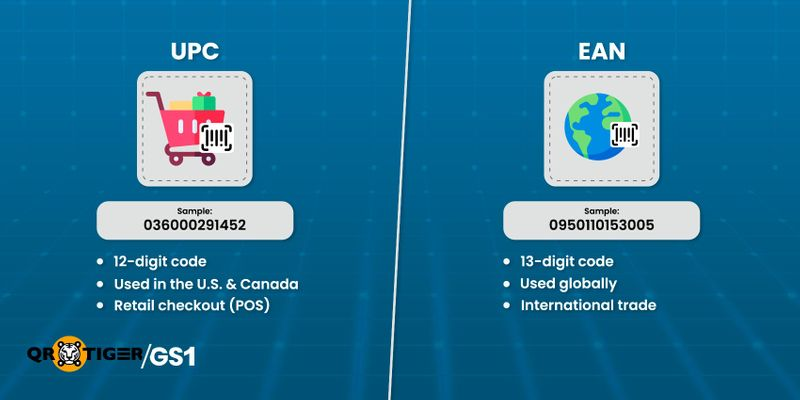
• UPC (Universal Product Code): 12-digit numeric barcode jo North America mein widely use hota hai
• EAN (European Article Number): 13-digit code jo international level par, khas taur par Europe mein use hota hai
• ASIN (Amazon Standard Identification Number): Amazon marketplace par products ko identify karne ke liye unique code
• MPN (Manufacturer Part Number): Manufacturers ki taraf se specific parts ya components ko identify karne ke liye assign kiya jata hai
• GTIN (Global Trade Item Number): GS1 identifiers ka ek family jo global product identification ke liye use hota hai
• Alphanumeric Custom Codes: Specialized databases mein use hone wale proprietary identifiers, jaise ycbzpb00005102
Each type of code has its own structure, purpose, and ecosystem. Alphanumeric codes, in particular, offer greater flexibility and a much larger range of possible combinations, making them ideal for large catalogs of products where numeric-only codes would be insufficient.
Understanding Alphanumeric Product Codes
Structure and Anatomy of Alphanumeric Identifiers
Alphanumeric product codes combine letters and numbers to create identifiers that are both machine-readable and human-interpretable. The specific arrangement of characters within a code often carries embedded meaning — different segments of the code can represent the product category, manufacturer, variant, version, batch, or other relevant attributes.
Consider the structure of an alphanumeric code in general terms. The initial alphabetic characters frequently indicate a product family, brand prefix, or category classification. The numeric portion that follows typically represents a serial or sequence number that uniquely distinguishes this particular item from all others within the same family. Some codes also include check digits — additional characters calculated from the rest of the code. These check digits let systems verify that someone has entered or scanned the code correctly.
This architecture makes alphanumeric codes extraordinarily versatile. A well-designed alphanumeric coding scheme can accommodate millions or even billions of unique products while still maintaining logical organization that makes the codes useful for human administrators and automated systems alike.
How Systems Interpret and Process These Codes
Modern software systems parse, store, retrieve, and cross-reference product codes at incredible speed. Database management systems use product codes as primary keys — unique identifiers that organize all other product information around them. When a barcode scanner reads a code or a user types it into a search field, the system performs an immediate lookup against its database to retrieve all associated information.
This lookup process happens millions of times per day across warehouses, retail terminals, e-commerce platforms, and enterprise resource planning systems worldwide. The speed and accuracy of these lookups depend critically on the uniqueness and consistency of the product codes themselves. Any duplication or ambiguity in codes can cause serious operational problems, from incorrect shipments to billing errors and audit failures.
• Databases codes ko indexed primary keys ke form mein store karte hain taake ultra-fast retrieval ho sake
• APIs product data ko partner systems ke liye expose karti hain aur codes ko query parameters ke tor par use karti hain
• Barcode aur QR scanners visual patterns ko instantly code strings mein convert kar dete hain
• ERP systems codes ke zariye procurement, inventory aur sales data ko link karte hain
• E-commerce platforms unique code lookups ki base par product listings show karti hain
Deep Dive: ycbzpb00005102 in Context
Decoding the Structure of This Identifier
When we examine ycbzpb00005102 closely, several structural features become apparent. The code begins with a sequence of lowercase alphabetic characters — ‘ycbzpb’ — followed by a numeric sequence ‘00005102’. This format is characteristic of systems that use a prefix to denote product category or origin and a zero-padded serial number to ensure consistent string length, which is important for database indexing and barcode generation.
The lowercase alphabetic prefix suggests this code originates from a system where case sensitivity is maintained — a modern standard in digital product management. The leading zeros in the numeric portion ‘00005102’ indicate a fixed-length numeric field, a technique commonly used to ensure that alphanumeric sorting of codes produces the same result as numeric sorting. This is a sophisticated design choice that reflects thoughtful database architecture.
Such structural characteristics are commonly found in product management systems used by technology companies, online retailers, electronics distributors, and industrial parts suppliers. The specific format of ycbzpb00005102 aligns with coding conventions seen in catalog management systems that handle large volumes of diverse products requiring granular identification.
Industries and Applications Where This Code Type Is Used
Codes with similar structural patterns to ycbzpb00005102 appear across a wide range of industries. Understanding these application domains helps illuminate the practical context in which such a code might be encountered:
1. Electronics and Technology: Component manufacturers and distributors use alphanumeric codes to identify specific electronic parts, firmware versions, and hardware configurations.
2. E-Commerce and Retail: Online marketplaces and multi-channel retailers assign proprietary codes to distinguish product variants such as size, color, or bundle configurations.
3. Healthcare and Pharmaceuticals: Medical device manufacturers and pharmaceutical companies use structured codes for regulatory compliance and patient safety tracking.
4. Industrial Manufacturing: Parts and components in automotive, aerospace, and heavy equipment industries are tracked using alphanumeric identifiers throughout their entire lifecycle.
5. Logistics and Warehousing: Fulfillment centers use codes like this to manage bin locations, pick lists, and shipping manifests with maximum accuracy.
In each of these contexts, the code functions as an anchor point — the single piece of information that connects physical goods to their complete digital record, including descriptions, pricing, supplier information, compliance documentation, and transaction history.
The Significance of Code Uniqueness
One of the most fundamental requirements of any product code is absolute uniqueness within its domain. The value of a code like ycbzpb00005102 lies entirely in its ability to refer to one and only one product or record without ambiguity. Systems that allow duplicate codes quickly become unreliable, generating incorrect shipments, billing disputes, and inventory discrepancies that can cost businesses significant time and money to resolve.
Ensuring uniqueness typically involves either centralized code assignment — where a single authority issues all codes — or algorithmic generation that uses mathematical properties to guarantee that no two codes are identical. Many modern systems combine both approaches, using algorithmic generation to create candidate codes and then checking against a master database to confirm uniqueness before assignment.
Technical Infrastructure Behind Product Code Management
Database Design and Indexing
The technical infrastructure required to manage product codes at scale plays a sophisticated and mission-critical role. At the heart of this infrastructure is the database — typically a relational database management system or, in more modern architectures, a distributed NoSQL database capable of handling millions of concurrent reads and writes.
Databases store product codes like our subject as indexed fields. The database builds a specialized data structure that lets it locate any code in milliseconds, even when it searches through tens of millions of records. This indexing is what makes barcode scanning at a retail checkout feel instantaneous — the lookup happens in the background far faster than the human eye can perceive.
Modern product databases also maintain extensive metadata alongside each code. This metadata can include product descriptions, images, dimensions, weight, price history, supplier information, stock levels, and much more. The product code serves as the key that unlocks all of this information.
API Integration and Data Exchange
In today’s connected business ecosystem, product codes must be shareable and interpretable across many different systems and organizations. Application Programming Interfaces (APIs) are the standard mechanism for this data exchange. A company maintaining a database that includes ycbzpb00005102 might expose an API endpoint that allows partner companies, logistics providers, and e-commerce platforms to query product information using the code as an identifier.
RESTful APIs provide the most common format for product data exchange. They use HTTP protocols that all programming languages and platforms universally support. When a partner system queries for a product using its code, the API returns a structured JSON or XML response containing all relevant product attributes — enabling seamless integration without manual data transfer.
Barcode and QR Code Generation
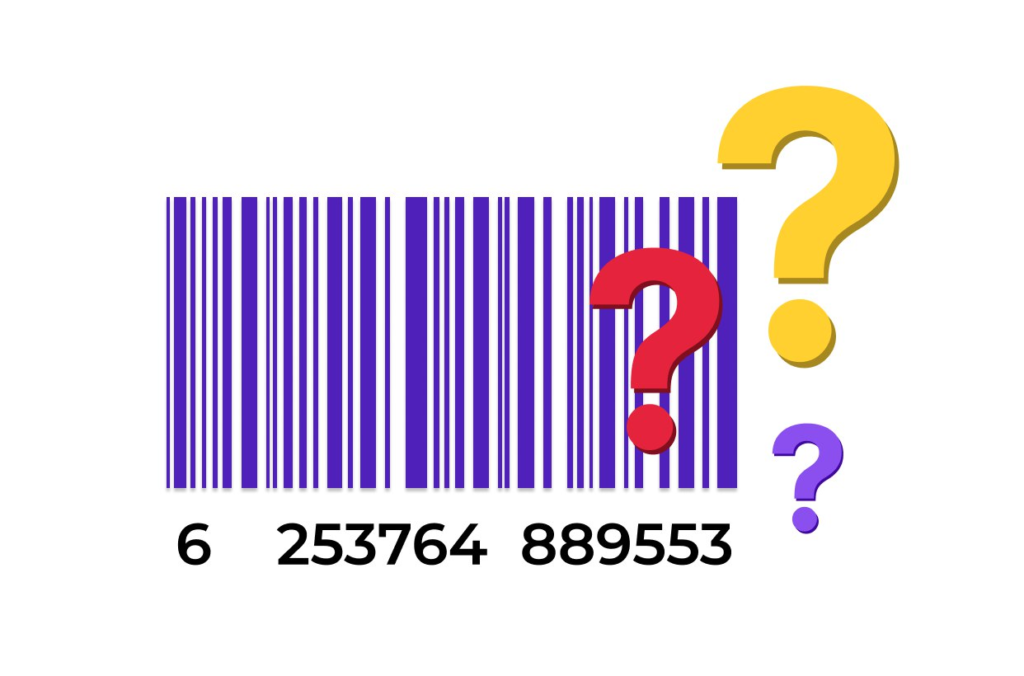
For physical products, systems translate alphanumeric codes into visual formats that handheld readers, automated conveyor scanners, and smartphone cameras can scan. Barcodes encode information as patterns of parallel lines of varying widths, while QR codes use a two-dimensional matrix pattern that can store much more data.
The choice of barcode format depends on the length and character set of the code. Codes like ycbzpb00005102 that contain both letters and numbers require barcode formats such as Code 128 or Code 39, which support the full alphanumeric character set. Manufacturers increasingly prefer QR codes for product packaging because they store the complete code plus additional product information and standard smartphone cameras easily read them.
Code 128: A high-density barcode that supports all 128 ASCII characters
• Code 39: An older standard barcode that only supports uppercase letters and numbers
• QR Codes: A 2D matrix barcode that can store alphanumeric as well as binary data
• DataMatrix: A compact 2D code commonly used in electronics and healthcare industries
• PDF417: A stacked 2D barcode designed for high-capacity data storage
Best Practices for Working With Product Codes
Data Validation and Error Prevention
Working with product codes requires rigorous data validation to prevent errors from entering the system. At the point of entry — whether through manual typing, barcode scanning, or API ingestion — systems should apply multiple layers of validation to ensure that incoming codes conform to the expected format, length, and character set.
Common validation checks include format validation (does the code match the expected pattern of characters?), existence validation (does the database already register this code?), and business rule validation (does this code have authorization for use in this context?). Implementing these checks at every data entry point dramatically reduces downstream errors.
Version Control and Code Lifecycle Management
Products evolve over time — they are updated, discontinued, replaced, or rebranded. A robust product code management system must handle these lifecycle changes gracefully. This typically involves maintaining a complete history of each code, including when someone created it, what changes people made to the associated product, and when (if ever) someone retired the code.
Organizations should never reassign retired codes to different products because this creates confusion in historical records. Instead, systems generate new codes for new or revised products and maintain clear database links to previous versions. This approach ensures that historical transaction records remain accurate and auditable indefinitely.
Cross-Platform Consistency
One of the greatest challenges in product code management is maintaining consistency across multiple platforms and systems. When a company sells on multiple e-commerce platforms, manages multiple warehouses, and works with multiple suppliers, different systems may identify the same product with different codes. Mapping and reconciling these different identifiers is a critical but often underestimated task.
Master data management (MDM) solutions are designed specifically for this challenge. They maintain a canonical set of product records, including all the different codes that identify a product across different systems, and they synchronize this information across the entire organization. This ensures that everyone — from the purchasing team to the warehouse staff to the customer service team — is working from the same product information.
SEO and Digital Discoverability of Product Codes
Why Product Codes Matter for Search Visibility
In the digital marketplace, product codes are not just operational tools — they are also significant for search engine optimization. Consumers and procurement professionals increasingly search for products using their exact codes, especially in B2B markets where technical accuracy is essential. A business that optimizes its product pages for code-based searches can capture highly qualified, purchase-intent traffic that competitors may be missing.
When a product page is properly optimized for its code — including the code in the page title, meta description, heading tags, product description, and structured data markup — it becomes significantly more visible to users searching for that specific code. This is particularly valuable for niche or technical products where the code may be the most specific and reliable way to identify the exact item needed.
Structured Data and Rich Snippets
Search engines reward pages that use structured data markup to clearly identify product information. Schema.org provides a Product schema that allows webmasters to specify the product name, description, price, availability, and identifier codes in a machine-readable format embedded in the page’s HTML. When search engines process this structured data, they may display rich snippets in search results — enhanced listings that include price, availability, and ratings.
For product pages featuring codes like ycbzpb00005102, implementing proper Product schema with the identifier included in the ‘sku’, ‘gtin’, or ‘productID’ fields can significantly improve click-through rates from search results pages. This is one of the most actionable SEO strategies for product-focused websites.
Content Strategy Around Product Codes
Beyond individual product pages, a comprehensive content strategy can build authority around product codes and identifiers. This includes creating detailed specification pages, compatibility guides, comparison articles, and FAQ content that addresses the specific questions users have about particular codes and products. This article itself is an example of content designed to provide comprehensive, authoritative information about a specific product code.
Future Trends in Product Identification
The Rise of Digital Product Passports
One of the most significant emerging trends in product identification is the concept of the Digital Product Passport (DPP). Proposed as a regulatory requirement in several jurisdictions — particularly in the European Union as part of the Ecodesign for Sustainable Products Regulation — the DPP is essentially an extended digital record for physical products that includes not just identification and specification data but also sustainability information, recycling instructions, supply chain data, and compliance documentation.
In a DPP framework, a product code becomes the entry point to a rich, standardized dataset that follows the product throughout its entire lifecycle. This represents a significant evolution of how product codes like ycbzpb00005102 will be used — not just for identification and inventory management, but as anchors for comprehensive product sustainability and compliance records.
Artificial Intelligence and Automated Classification
Artificial intelligence is beginning to transform how product codes are assigned and managed. Machine learning models can analyze product images, descriptions, and specifications to automatically suggest appropriate category codes and identify potential duplicates. Natural language processing enables more intuitive search — users can describe a product in plain language and the system will identify the most likely matching code.
These AI capabilities are making product code management more scalable and less error-prone. As AI systems become more sophisticated, the process of assigning, validating, and maintaining product codes will become increasingly automated, freeing human administrators to focus on higher-value tasks.
Blockchain for Code Authenticity
Blockchain technology offers an intriguing solution to one of the most persistent challenges in product identification: counterfeiting. By recording product code assignments on a distributed, immutable ledger, manufacturers can create verifiable proof of authenticity that cannot be forged or tampered with. Consumers and business buyers can scan a product code and instantly verify that it corresponds to a genuine product from the stated manufacturer, with a complete, unalterable history of that product’s journey through the supply chain.
Frequently Asked Questions (FAQs)
Q1: What exactly is ycbzpb00005102?
ycbzpb00005102 is an alphanumeric product code or identifier that follows a format commonly used in product catalog management systems, e-commerce platforms, and inventory databases. The code consists of an alphabetic prefix (ycbzpb) followed by a zero-padded numeric sequence (00005102), a structure that is characteristic of systems designed to manage large volumes of product data with high precision and consistency.
Q2: How are alphanumeric product codes like this one generated?
Alphanumeric product codes are generated through several methods depending on the system in use. Some systems use sequential assignment — the next available number in a series, prefixed by category-relevant letters. Others use algorithmic generation that combines predefined prefix rules with randomly generated or mathematically derived numeric segments. The key requirement in all cases is uniqueness: every code must refer to exactly one product with no duplication across the entire database.
Q3: Can the same product have multiple different codes?
Yes, this is actually very common in practice. A single physical product may have a manufacturer’s part number (MPN), a retailer’s SKU, an Amazon ASIN, a GS1 GTIN, and one or more proprietary codes used by different systems in the supply chain. Master data management systems are used to map and reconcile all of these different identifiers, ensuring that all systems referring to the same product can communicate accurately even if they use different codes.
Conclusion
Product codes are among the most foundational elements of modern commerce, logistics, and digital product management. From the simplest retail barcode to sophisticated alphanumeric identifiers like ycbzpb00005102, these codes perform the critical function of linking physical goods to their complete digital records — enabling the seamless, automated, global trade that defines the contemporary economy.
Throughout this article, we have explored the structure and anatomy of alphanumeric codes, the technical infrastructure required to manage them at scale, the best practices for ensuring their accuracy and consistency, and the emerging trends that will shape how product codes evolve in the years ahead. We have also examined how codes like ycbzpb00005102 fit into the broader landscape of product identification, from their role in inventory management and supply chain operations to their significance for SEO and digital discoverability.
For businesses, the key takeaways are clear: invest in robust product code management systems, enforce strict uniqueness and validation controls, implement structured data markup for improved search visibility, and prepare for the expanding role of product identifiers in digital product passports and AI-powered catalog management. For individuals researching this specific code, understanding its structure and context provides a solid foundation for interpreting its role within the system or platform where it was encountered.
The humble product code may seem like a small technical detail, but in reality, it is the thread that holds the fabric of global commerce together. Whether you are managing a warehouse, building an e-commerce platform, or simply trying to track down a specific item, understanding how codes like ycbzpb00005102 work becomes an investment in knowledge that pays dividends across every aspect of modern product management.