In the fast-evolving world of cybersecurity and automation, tools that combine simplicity with powerful capabilities stand out. The dowsstrike2045 python script has captured attention among developers and security professionals for its innovative approach to threat simulation, system testing, and intelligent automation. Whether you’re a penetration tester looking to strengthen defenses or a Python enthusiast exploring next-generation scripting frameworks, understanding this tool opens doors to more efficient and proactive security practices. Built on the versatile foundation of Python, dowsstrike2045 delivers a streamlined experience that blends advanced algorithms with user-friendly implementation, making complex tasks feel approachable even for those new to specialized security scripting.
This comprehensive overview explores the core architecture, practical applications, and unique strengths of the dowsstrike2045 python script. Designed as a conceptual yet highly functional framework, it addresses modern challenges in network defense, vulnerability assessment, and automated response systems. By integrating seamlessly with existing Python ecosystems, it empowers users to build robust solutions without unnecessary complexity. As cyber threats grow more sophisticated, scripts like dowsstrike2045 represent a forward-thinking response, offering both educational value and real-world utility in 2026’s security landscape.
What Is the Dowsstrike2045 Python Script?
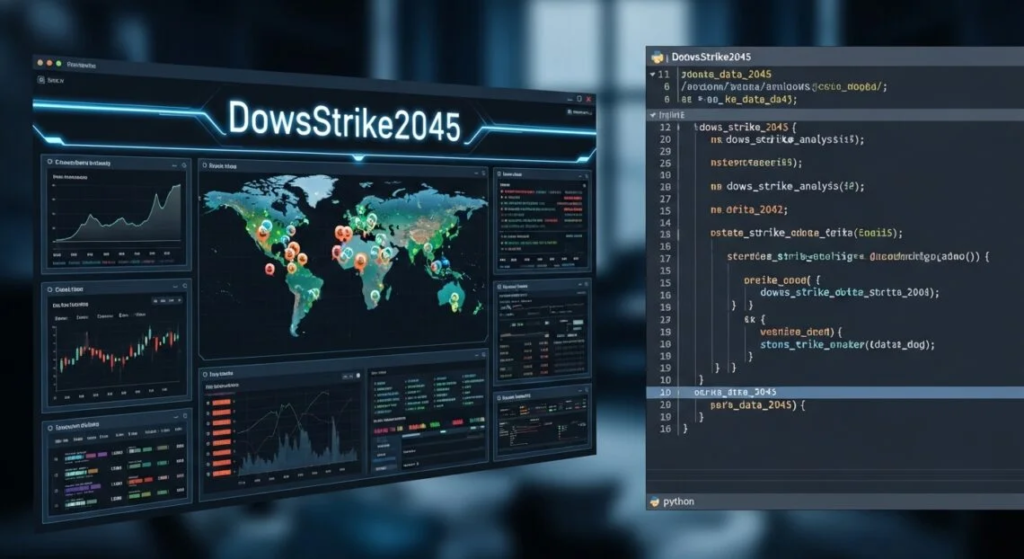
The dowsstrike2045 python script functions as a specialized Python-based framework focused on cybersecurity automation and simulated attack scenarios. At its heart, it serves as a modular toolkit that allows developers to script realistic penetration testing sequences, monitor system behaviors under stress, and automate defensive protocols. Unlike generic Python libraries, it incorporates pre-built modules tailored for threat emulation, making it easier to replicate advanced persistent threats or common vulnerability exploits in controlled environments. This design helps security teams identify weaknesses before malicious actors can exploit them.
Beyond basic scripting, dowsstrike2045 emphasizes extensibility through clean code structure and compatibility with popular libraries like Scapy, Requests, and NumPy. Users can customize attack vectors, integrate logging for detailed analysis, and even combine it with machine learning models for predictive threat detection. Its name hints at a forward-looking vision—targeting challenges anticipated around the year 2045—yet remains practical for today’s needs. Professionals appreciate how it bridges the gap between theoretical security concepts and hands-on implementation, fostering deeper understanding while delivering tangible results in testing pipelines.
Core Features and Technical Architecture
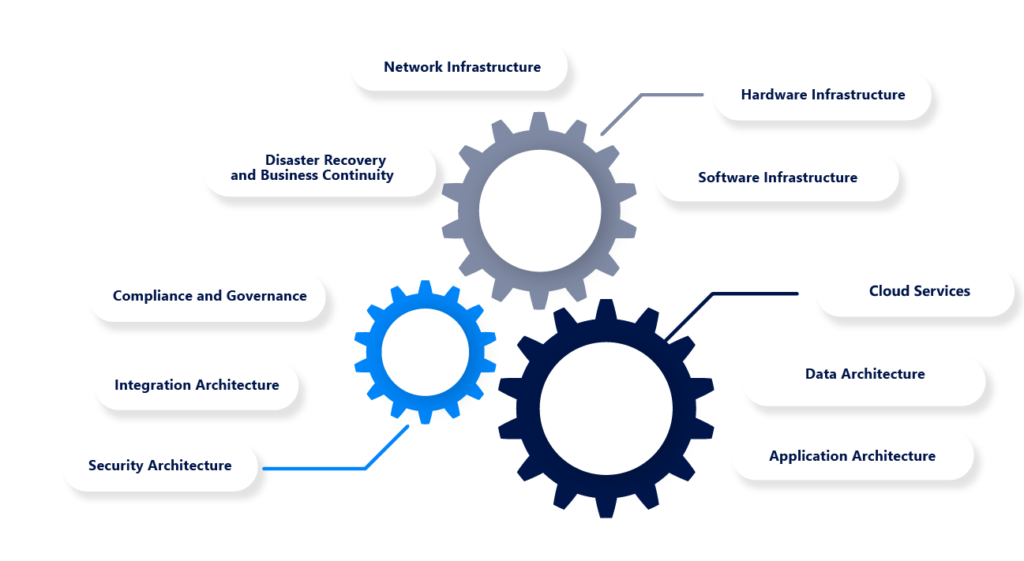
One standout aspect of dowsstrike2045 python lies in its modular architecture, which separates concerns into distinct components for network probing, payload generation, and response analysis. This separation enhances maintainability and allows teams to scale scripts efficiently across multiple environments. Built-in support for asynchronous operations ensures the script handles high-volume traffic simulations without significant performance degradation, a critical requirement when modeling distributed denial-of-service scenarios or multi-stage intrusions.
The framework also includes intelligent error-handling mechanisms and comprehensive logging that capture granular details during execution. Developers can leverage built-in visualization helpers to generate reports on simulated breach paths, helping stakeholders visualize risk landscapes quickly. Integration with virtual environments keeps dependencies isolated, reducing conflicts in larger projects. These technical choices reflect thoughtful design aimed at both rapid prototyping and production-grade reliability, positioning dowsstrike2045 as more than just another script but a foundational tool for evolving security workflows.
How Dowsstrike2045 Python Enhances Penetration Testing
When performing ethical hacking exercises, the dowsstrike2045 python script accelerates the reconnaissance and exploitation phases by automating repetitive tasks while maintaining flexibility for creative testing strategies. Security researchers can script custom reconnaissance modules that scan for open ports, enumerate services, and map network topologies with minimal manual input. Its ability to chain multiple attack steps into cohesive workflows saves hours compared to piecing together disparate tools.
Moreover, the script supports safe, isolated testing through configurable sandbox parameters, ensuring experiments remain contained within authorized boundaries. This focus on responsible use encourages best practices among new practitioners while empowering veterans to push boundaries in red team operations. By simulating real-world adversary tactics, dowsstrike2045 helps organizations build muscle memory for incident response, ultimately strengthening overall resilience against evolving cyber risks.
Installation and Setup Guide for Dowsstrike2045
Getting started with dowsstrike2045 python requires a standard Python 3.8+ environment and basic command-line familiarity. Begin by creating a dedicated virtual environment to manage dependencies cleanly, then install the package using pip from trusted repositories or source distributions. The process typically involves cloning the repository if working with the latest development version, followed by installing required libraries that support networking and data processing functions.
Once installed, basic configuration involves setting environment variables for target scopes and logging levels to match your project’s sensitivity. Sample configuration files ship with the script, offering sensible defaults that users can tweak for specific use cases. Testing the installation with a simple reconnaissance command verifies everything works smoothly before diving into complex scenarios. This straightforward onboarding reduces barriers for teams transitioning from traditional tools to more integrated Python-centric solutions.
Practical Use Cases and Real-World Applications
Organizations leverage dowsstrike2045 python in diverse scenarios ranging from internal vulnerability assessments to training programs for cybersecurity staff. Financial institutions, for instance, use it to model sophisticated phishing and lateral movement techniques, helping refine detection rules in SIEM systems. Government agencies appreciate its capabilities in red-versus-blue exercises that prepare teams for high-stakes cyber defense operations.
In software development pipelines, the script integrates into CI/CD processes to perform automated security scans on new code deployments. Developers can trigger lightweight versions during pull requests to catch potential issues early. Educational platforms also adopt dowsstrike2045 for interactive labs, allowing students to experiment safely with attack simulations and observe defensive countermeasures in action. These applications demonstrate the script’s versatility across industries where proactive security measures provide a competitive edge.
Advanced Customization and Extension Options
Experienced users often extend the dowsstrike2045 python framework by developing custom plugins that address niche requirements, such as integrating with specific cloud providers or specialized hardware sensors. The clean API design facilitates this by exposing hooks for new modules without altering core functionality. Python’s dynamic nature shines here, enabling rapid iteration when new threat intelligence emerges.
Community contributions have led to additional extensions for machine learning-driven anomaly detection and blockchain-related security testing. Advanced users combine dowsstrike2045 with orchestration tools like Ansible or Terraform to automate entire testing infrastructures on demand. This extensibility ensures the script remains relevant as technology landscapes shift, encouraging ongoing innovation while maintaining stability for mission-critical applications.
Performance Optimization and Best Practices
To maximize efficiency when running dowsstrike2045 python scripts, focus on optimizing resource allocation and minimizing unnecessary network calls during large-scale simulations. Profiling tools help identify bottlenecks, often related to I/O operations or unoptimized loops in payload generation. Implementing multiprocessing or async patterns where appropriate can dramatically improve throughput without sacrificing accuracy.
Best practices also include rigorous input validation and output sanitization to prevent accidental exposure of sensitive data during testing. Regular code reviews and adherence to secure coding standards protect the integrity of the testing environment itself. Monitoring memory usage becomes essential when dealing with extensive datasets or prolonged sessions. Following these guidelines not only enhances performance but also promotes safer, more professional deployment of the framework in enterprise settings.
Comparison with Other Python Security Tools
Compared to established alternatives like Metasploit or standalone Scapy scripts, dowsstrike2045 python offers tighter integration within a pure Python ecosystem, reducing context-switching for developers already comfortable with the language. While it may not match the breadth of some mature frameworks yet, its focused design delivers faster execution for targeted tasks and simpler maintenance cycles.
The script excels in scenarios requiring quick customization and educational transparency, where understanding every line of code matters. Teams that prioritize Python-native solutions often find dowsstrike2045 complements rather than replaces existing toolchains, creating hybrid environments that leverage strengths from multiple sources. This balanced positioning makes it particularly appealing for organizations building modern, script-centric security operations centers.
Potential Challenges and Mitigation Strategies
Users of dowsstrike2045 python occasionally encounter challenges related to compatibility across different operating systems or evolving library dependencies. Addressing these typically involves maintaining updated virtual environments and testing scripts against multiple Python versions. Documentation gaps in early community releases can also slow adoption, though active forums and example repositories help bridge knowledge gaps.
Legal and ethical considerations remain paramount when working with any offensive security tool. Always secure proper authorization before deploying simulations against live systems. Mitigation includes implementing strict scoping rules and audit trails within the script itself. By proactively managing these challenges, users unlock the full potential of dowsstrike2045 while minimizing risks associated with powerful automation capabilities.
Future Developments and Roadmap Insights
Looking ahead, the evolution of dowsstrike2045 python points toward deeper AI integration, potentially allowing autonomous generation of adaptive attack strategies based on real-time feedback. Developers are exploring enhanced support for quantum-resistant cryptography testing and expanded compatibility with emerging IoT and edge computing protocols.
Community-driven roadmaps emphasize improved visualization dashboards and one-click reporting features to make insights more accessible to non-technical stakeholders. As cybersecurity demands grow, expect tighter alignment with standards like MITRE ATT&CK framework mappings. These advancements will likely solidify dowsstrike2045’s role as a versatile, future-proof tool in the Python security arsenal.
In summary, the dowsstrike2045 python script represents a thoughtful fusion of automation, education, and practical security testing. Its modular design, ease of extension, and focus on real-world applicability make it a valuable asset for anyone serious about strengthening digital defenses. As threats continue to advance, tools that empower proactive, intelligent responses will define the leaders in cybersecurity. Embracing frameworks like dowsstrike2045 today prepares organizations and individuals not just to survive but to thrive in an increasingly connected and contested digital future.
Frequently Asked Questions
What is dowsstrike2045 python primarily used for?
It automates cybersecurity testing, penetration simulations, and threat detection workflows using Python.
Is dowsstrike2045 suitable for beginners?
Yes, its clean structure and sample configurations make it accessible while offering depth for advanced users.
Does it require special hardware?
No, it runs on standard systems with Python installed, though more RAM benefits large-scale simulations.