
In an era of economic uncertainty, climate challenges, and social inequality, more people are searching for ways to align their finances with their values. Money BetterThisWorld represents a powerful philosophy and practical approach that combines personal wealth building with meaningful positive change. It goes beyond traditional personal finance by asking a fundamental question: How can your money not only grow but also contribute to making the world a better place?
This comprehensive guide explores the principles, strategies, and real-world applications of Money Better This World. Whether you are a beginner looking to manage debt, a professional seeking ethical investments, or someone passionate about social impact, this article provides actionable insights, current trends for 2026 and beyond, and proven frameworks to transform your financial life while creating broader benefits.
Understanding the Core Philosophy of Money Better This World
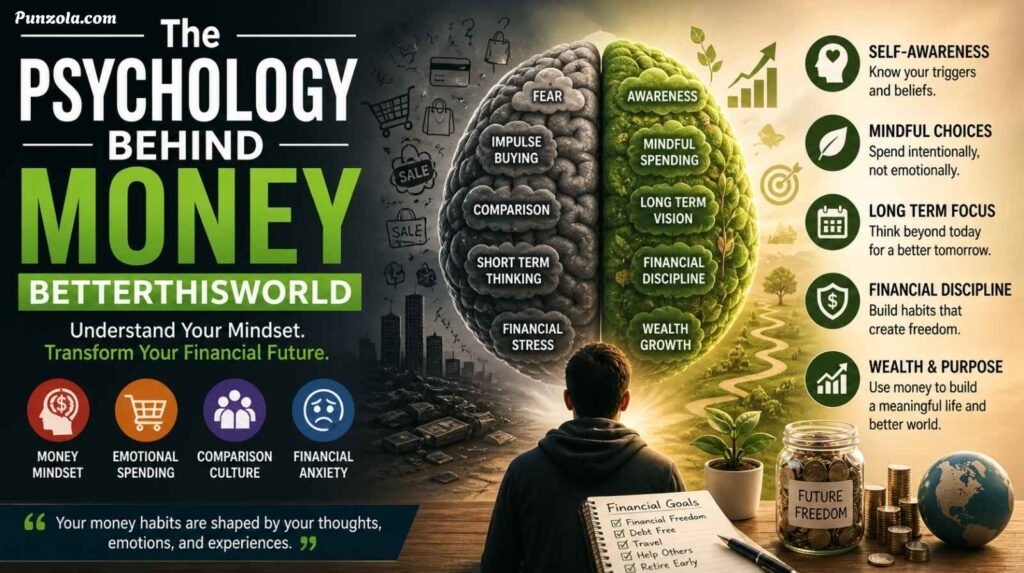
What Does “Money Better This World” Really Mean?
Money BetterThisWorld is both a mindset and a movement. It recognizes money as a tool for good rather than an end in itself. The concept encourages individuals to pursue financial freedom through ethical means, sustainable practices, and impact-driven decisions. Instead of focusing solely on maximum returns, it balances profitability with environmental stewardship, social equity, and long-term planetary health.
This approach draws from impact investing, conscious capitalism, and financial literacy education. It promotes transparency, responsibility, and the idea that every dollar spent or invested can support positive outcomes like renewable energy, education access, or community development.
The Difference Between Traditional Finance and Impact-Oriented Money Management
Traditional finance often prioritizes short-term gains and shareholder value above all else. In contrast, Money Better This World integrates Environmental, Social, and Governance (ESG) criteria into decision-making. Investors evaluate companies not just on profits but on how they treat employees, reduce carbon emissions, and contribute to society.
This shift is gaining momentum. Millions of millennials and Gen Z consumers actively choose brands and investments that reflect their values, driving demand for greener and more ethical financial products.
Building a Strong Financial Foundation with Purpose
Mastering Personal Budgeting and Debt Management
The journey toward Money Better This World starts with controlling your own finances. Creating a zero-based budget, tracking expenses with apps, and eliminating high-interest debt are essential first steps. Techniques like the 50/30/20 rule (50% needs, 30% wants, 20% savings/investments) provide structure while leaving room for charitable giving or impact funds.
Debt snowball and debt avalanche methods help clear credit cards and student loans faster, freeing up capital for positive investments. Living below your means generates surplus money that can be directed toward causes you care about.
Emergency Funds and Financial Resilience
An emergency fund covering 3–6 months of expenses acts as a safety net. High-yield savings accounts or short-term government bonds offer security without compromising ethics. Building resilience ensures you can weather economic downturns while continuing to support global betterment initiatives.
Smart Investing Strategies for Positive Impact
Introduction to Impact Investing and ESG Funds
Impact investing allows your portfolio to generate competitive returns while addressing global challenges. Money BetterThisWorld encourages allocating portions of your capital to renewable energy projects, sustainable agriculture, affordable healthcare, and education technology.
ESG funds, green bonds, and social impact bonds have matured significantly. Many now match or outperform traditional indices with lower volatility in certain sectors. Diversification across asset classes — stocks, bonds, real estate, and alternatives — remains crucial.
Stock Market Opportunities with Conscience
Investors can choose companies leading in clean technology, electric vehicles, circular economy solutions, or women’s empowerment. Thematic investing in areas like water conservation, biodiversity protection, and mental health innovation aligns personal gains with planetary progress.
Robo-advisors and micro-investing apps now offer automated ESG portfolios, making ethical investing accessible even with small monthly contributions.
Real Estate and Community Development
Sustainable real estate, green buildings, and community land trusts represent tangible ways to invest locally. Real estate investment trusts (REITs) focused on affordable housing or eco-friendly commercial spaces allow passive income while addressing housing shortages.
Creating Multiple Income Streams with Purpose
Side Hustles That Benefit Society
Money BetterThisWorld inspires entrepreneurial ventures that solve real problems. Examples include starting an eco-friendly product line, offering financial literacy workshops in underserved communities, or building online platforms for social good.
Freelance skills in writing, graphic design, coding, or consulting can be monetized while supporting nonprofits or B-Corporations. Digital products like e-books on sustainable living or online courses about ethical finance create scalable income with minimal environmental footprint.
Passive Income Ideas Aligned with Values
Dividend stocks from responsible companies, peer-to-peer lending with social screening, and creating content around financial education can build wealth over time. Affiliate marketing for sustainable brands or developing apps that promote financial inclusion further embody the Money BetterThisWorld ethos.
Education, Skills, and Long-Term Wealth Building
The Power of Continuous Financial Learning
Financial literacy remains the cornerstone of lasting success. Reading books, taking certified courses, and following reputable experts help avoid costly mistakes. Understanding compound interest, tax optimization, and retirement planning (such as Roth IRAs or sustainable pension funds) accelerates progress.
Money BetterThisWorld also highlights the importance of teaching children and communities about money management, creating a multiplier effect of positive change.
Career Development and Ethical Leadership
Advancing in careers that prioritize purpose — whether in green tech, social enterprises, or corporate sustainability roles — often leads to higher fulfillment and competitive compensation. Negotiation skills, personal branding, and networking within impact communities open new doors.
Global Perspectives and Macro Trends in 2026
Climate Finance and the Green Transition
The global shift toward net-zero economies creates massive investment opportunities. Carbon credit markets, renewable infrastructure, and climate adaptation technologies are expanding rapidly. Governments and institutions are directing trillions toward sustainable development goals (SDGs).
Financial Technology for Inclusion
Fintech innovations like mobile banking, blockchain for transparent donations, and AI-driven personalized advice democratize access to financial tools. These technologies help unbanked populations and reduce corruption in aid distribution.
Philanthropy and Effective Giving
Strategic philanthropy maximizes impact. Donor-advised funds, impact measurement frameworks, and evidence-based charities ensure donations create measurable improvements in health, education, and poverty reduction.
Practical Steps to Implement Money Better This World Today
Creating Your Personalized Action Plan
- Assess your current financial situation.
- Define your core values and impact areas.
- Set specific, measurable goals for savings, investing, and giving.
- Review and adjust your portfolio quarterly.
- Track both financial returns and social/environmental outcomes.
Common Pitfalls to Avoid
Greenwashing (false sustainability claims), over-concentration in trendy sectors, neglecting personal financial health for the sake of impact, and ignoring tax implications can undermine progress. Due diligence and balanced decision-making are vital.
Top ESG Investment Options for Beginners in 2026
Beginner-friendly vehicles include broad ESG index funds, target-date retirement funds with sustainability mandates, and thematic ETFs focusing on clean energy or gender diversity.
How to Measure the Real Impact of Your Investments
Tools like impact reports, third-party ratings (such as Morningstar Sustainability Ratings), and carbon footprint calculators help quantify environmental and social benefits alongside financial performance.
Health, Lifestyle, and Money Alignment
True wealth includes well-being. Money Better This World encourages mindful consumption, minimalism where appropriate, and investments in personal health that reduce long-term medical costs while promoting work-life balance.
Future Outlook: The Next Decade of Purpose-Driven Finance
Technological advancements in AI, blockchain, and big data will make impact tracking more precise and accessible. Regulatory changes favoring transparency and potential incentives for sustainable practices will further accelerate the movement.
Challenges such as market volatility, political uncertainty, and measurement difficulties persist, but the overall trajectory points toward greater integration of profit and purpose.
FAQs About Money Better This World
What exactly is Money Better This World?
Money Better This World is a philosophy and practical framework that combines personal financial success with positive societal and environmental impact, encouraging ethical money management and impact-focused decisions.
Is it possible to earn strong returns while making the world better?
Yes. Numerous studies and real-world examples show that well-managed ESG and impact investments can deliver competitive or superior risk-adjusted returns over the long term.
How do I start applying these principles with limited money?
Begin with budgeting, debt reduction, and small monthly contributions to low-cost ESG index funds or micro-donation platforms. Every consistent action compounds over time.
Can businesses adopt Money Better This World principles?
Absolutely. Companies that integrate sustainability and social responsibility often see benefits in customer loyalty, employee retention, and innovation.
What are the best resources for learning more?
Focus on reputable books on behavioral finance, impact investing reports, and certified financial education programs that emphasize ethics and sustainability.
How does philanthropy fit into this approach?
Strategic giving, whether through direct donations, volunteering time, or impact investing, forms a key pillar. Effective altruism principles help maximize positive outcomes per dollar contributed.
Is Money Better This World only for wealthy individuals?
No. People at all income levels can participate through conscious spending, ethical banking, community involvement, and small impact investments.
How can I track the real-world difference my money makes?
Use portfolio impact dashboards, charity evaluation sites, annual ESG reports, and personal tracking spreadsheets that monitor both financial growth and chosen impact metrics.
Conclusion
Money BetterThisWorld offers a transformative path forward for anyone ready to rethink their relationship with money. By building strong financial habits, choosing investments and spending that reflect positive values, and continuously educating yourself, you can achieve personal prosperity while contributing to meaningful global progress.
The movement continues to grow as more individuals and institutions recognize the power of aligned capital. Your financial decisions — no matter how small they seem today — have the potential to shape a more equitable, sustainable, and prosperous future for everyone. Start implementing these principles now, stay consistent, and watch as your money works harder to create a genuinely better world for current and future generations.