In the modern entertainment and digital performance industry, pricing transparency has become a major concern for audiences, creators, and organizers. One of the emerging terms gaining attention in this space is backtofrontshow pricing. Although the term may sound unique, it represents a structured way of understanding how pricing is organized, calculated, and delivered for a show or entertainment platform known as BacktoFrontShow.
In this detailed guide, we will break down everything about backtofrontshow pricing, including how it works, what factors influence it, possible pricing tiers, benefits, and frequently asked questions. This article is designed to help users understand the complete pricing ecosystem in a simple yet professional way.
What Is Backtofrontshow Pricing?
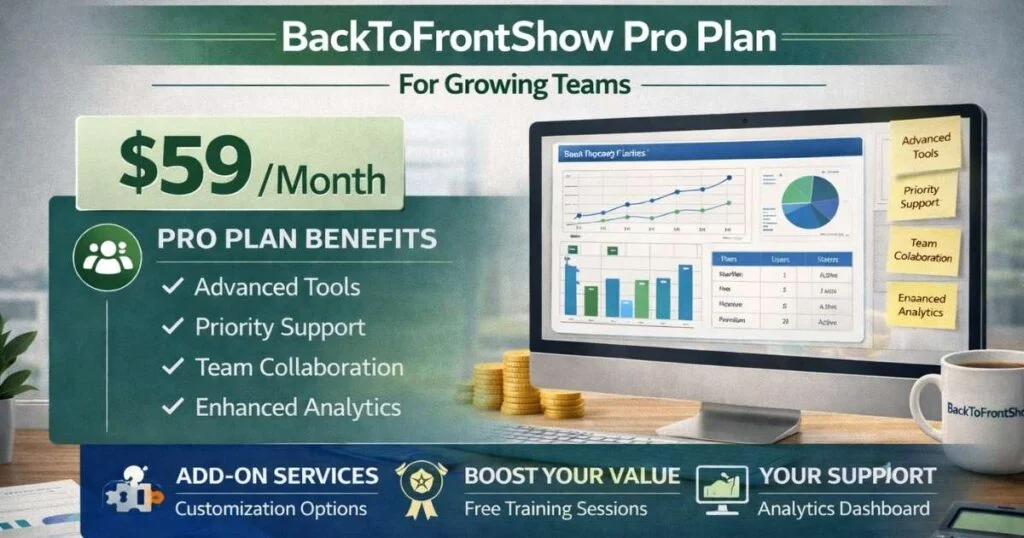
Backtofrontshow pricings refers to the structured cost model associated with accessing, booking, or subscribing to services, performances, or content provided under the BacktoFrontShows system. It may include ticket pricing, subscription fees, VIP access costs, and premium feature charges.
At its core, this pricing model is designed to balance:
- Audience affordability
- Content value
- Creator revenue
- Platform sustainability
Unlike traditional flat pricing models, backtofrontshow pricing may vary based on experience level, access type, and engagement depth.
How Backtofrontshow Pricing Works
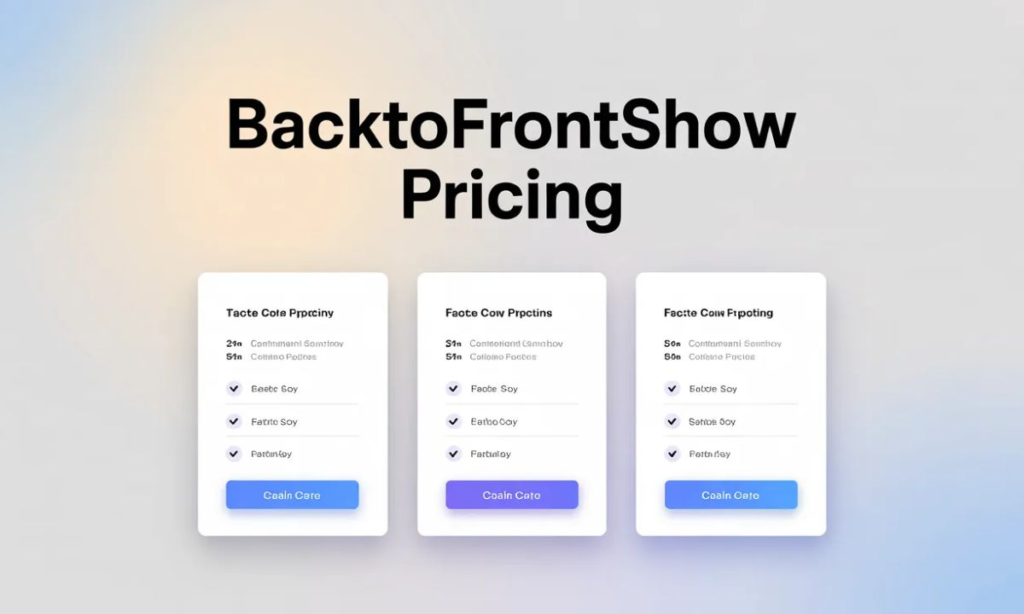
Understanding how backtofrontshow pricings works requires breaking it down into multiple components. The pricing system is usually layered and dynamic, meaning users pay based on what they choose to access.
Base Entry Pricing
This is the minimum cost required to access standard content or entry-level shows. It typically includes:
- General admission access
- Standard streaming quality
- Limited interactive features
Premium Access Pricing
Premium pricing unlocks additional features such as:
- HD or exclusive streaming
- Early access to content
- Bonus behind-the-scenes material
VIP or Exclusive Tier Pricing
This is the highest pricing tier and may include:
- Direct interaction with performers
- Private sessions or live chats
- Exclusive events or limited content
Each level of backtofrontshows pricing is designed to match different audience needs and budgets.
Factors Influencing Backtofrontshow Pricing
Several important factors affect how pricing is determined.
Content Quality
Higher-quality productions require more investment, which increases pricing. This includes:
- Production design
- Camera quality
- Editing and post-production
Performer Popularity
Well-known performers or creators often command higher pricing due to demand.
Duration of the Show
Longer shows or extended content naturally cost more than short performances.
Exclusivity
Limited access or rare performances are usually priced higher.
Platform Maintenance
Technical infrastructure, hosting, and security also contribute to pricing structures.
Backtofrontshow Pricing Tiers Explained
Most systems using backtofrontshows pricing follow a tier-based structure.
Basic Tier
- Affordable entry cost
- Standard viewing experience
- Limited engagement options
Standard Tier
- Balanced pricing
- Better streaming quality
- Some interactive features
Premium Tier
- High-quality content access
- Exclusive scenes or episodes
- Priority customer support
Elite Tier
- Full access to all content
- VIP interactions
- Special event invitations
Each tier ensures users can choose according to their budget and expectations.
Why Backtofrontshow Pricing Is Important
The importance of backtofrontshow pricing lies in its flexibility and fairness.
Accessibility
It allows users from different financial backgrounds to participate.
Value-Based System
Users only pay for what they want to experience.
Revenue Optimization
Creators and platforms earn fairly based on demand and content value.
Transparency
Clear pricing tiers reduce confusion and improve trust.
Advantages of Backtofrontshow Pricing
Custom User Experience
Users can select exactly what level of content they want.
Scalable Model
The system grows with audience demand.
Fair Monetization
Creators are compensated based on engagement and popularity.
Flexibility
Users are not forced into a single pricing model.
Improved Engagement
Different tiers encourage users to explore more content.
Challenges in Backtofrontshow Pricing
Despite its advantages, there are some challenges.
Complexity for New Users
Multiple tiers may confuse beginners.
Perceived Cost Barriers
Some users may feel premium pricing is too high.
Content Value Expectations
Users expect higher quality when paying more.
Market Competition
Competing platforms may offer simpler pricing models.
How to Choose the Right Backtofrontshow Pricing Plan
Choosing the right plan depends on your needs.
Step 1: Define Your Budget
Understand how much you are willing to spend.
Step 2: Identify Your Interest Level
- Casual viewer → Basic tier
- Regular viewer → Standard tier
- Dedicated fan → Premium or Elite tier
Step 3: Compare Features
Evaluate what each tier offers in terms of value.
Step 4: Start Small
It is often best to begin with lower tiers and upgrade later.
Backtofrontshow Pricing in the Digital Entertainment Industry
The digital entertainment industry is rapidly evolving, and backtofrontshow pricing fits perfectly into this transformation.
Streaming Platforms
Many platforms now use tier-based pricing similar to this model.
Live Performances
Virtual shows and live events often rely on dynamic pricing systems.
Content Creators
Independent creators benefit from flexible pricing structures.
This model helps bridge the gap between audience expectations and creator earnings.
Future of Backtofrontshow Pricing
The future of backtofrontshow pricing looks promising due to technological advancements.
AI-Based Pricing
Artificial intelligence may soon adjust pricing based on user behavior.
Personalized Subscription Models
Users may get custom pricing based on viewing habits.
Blockchain Integration
Transparent payment systems could improve trust.
Real-Time Dynamic Pricing
Prices may change depending on demand and popularity.
Common Misconceptions About Backtofrontshow Pricing
Misconception 1: It Is Expensive
Not all tiers are costly; basic access is usually affordable.
Misconception 2: It Is Complicated
While layered, the system is actually user-friendly once understood.
Misconception 3: Only Premium Users Benefit
Even basic users get meaningful content access.
Tips to Get the Most Value from Backtofrontshow Pricing
Watch for Promotions
Discounts and special offers can reduce costs.
Choose Annual Plans
If available, yearly subscriptions often save money.
Upgrade Strategically
Upgrade only when you need more features.
Explore Free Content First
Many platforms offer previews or free segments.
Backtofrontshow Pricing vs Traditional Pricing Models
Unlike traditional fixed pricing, backtofrontshow pricings is:
- Flexible instead of fixed
- Tier-based instead of single-cost
- Experience-driven instead of uniform
This makes it more adaptable to modern digital audiences.
FAQs
1. What is backtofrontshow pricing?
It is a tier-based pricing model used for accessing different levels of content or services in the BacktoFrontShow system.
2. Is backtofrontshow pricing expensive?
No, it offers multiple tiers, including affordable entry-level options.
3. Can I upgrade my plan later?
Yes, users can usually upgrade to higher tiers anytime.
4. What makes premium pricing different?
Premium tiers offer better quality, exclusive content, and special features.
5. Is backtofrontshow pricing suitable for beginners?
Yes, beginners can start with basic plans and upgrade gradually.
Conclusion
Backtofrontshow pricings represents a modern and flexible approach to content monetization and user access. Instead of relying on a single fixed cost, it introduces multiple layers of value, allowing users to choose based on their preferences and budget.
From basic access to elite experiences, this pricing model ensures fairness for both users and creators. As digital entertainment continues to grow, structured systems like backtofrontshow pricings will likely become even more advanced, personalized, and user-centric.
Ultimately, understanding this model helps users make better decisions and enjoy content in a more tailored and meaningful way.