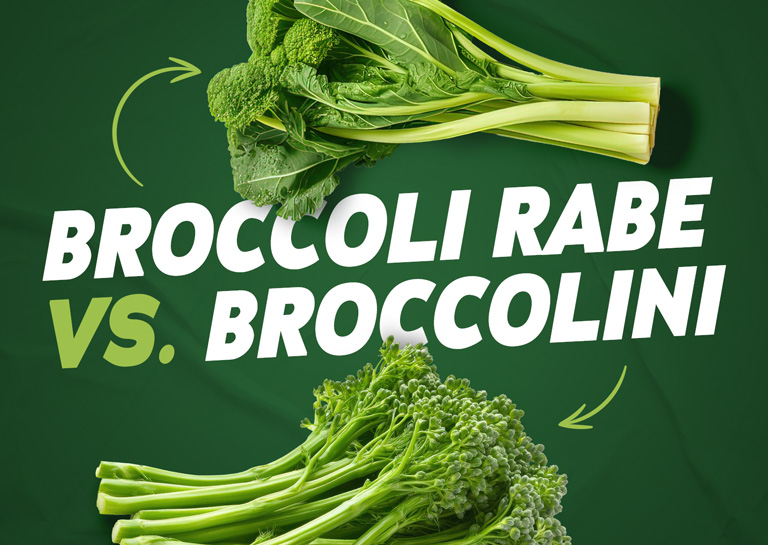
Understanding the rabe definition is more important than it may initially seem, especially in 2026 where language, food culture, and global communication intersect more than ever. The term “rabe” can refer to different meanings depending on context, but it is most commonly associated with a leafy green vegetable, often known as broccoli rabe or rapini. In linguistic and culinary discussions, the rabe definition helps clarify confusion between similar vegetables and ensures accurate usage in both professional and everyday communication.
Beyond its culinary relevance, the rabe definition also plays a role in language interpretation and cultural exchange. As global audiences consume diverse recipes, media, and educational content, precise terminology becomes essential. Misunderstanding a simple term like “rabe” can lead to confusion in cooking, nutrition, or even academic contexts. Therefore, having a clear and updated understanding of the rabe definition ensures clarity, accuracy, and better engagement across different fields.
The True Meaning Behind the Term Rabe Definition
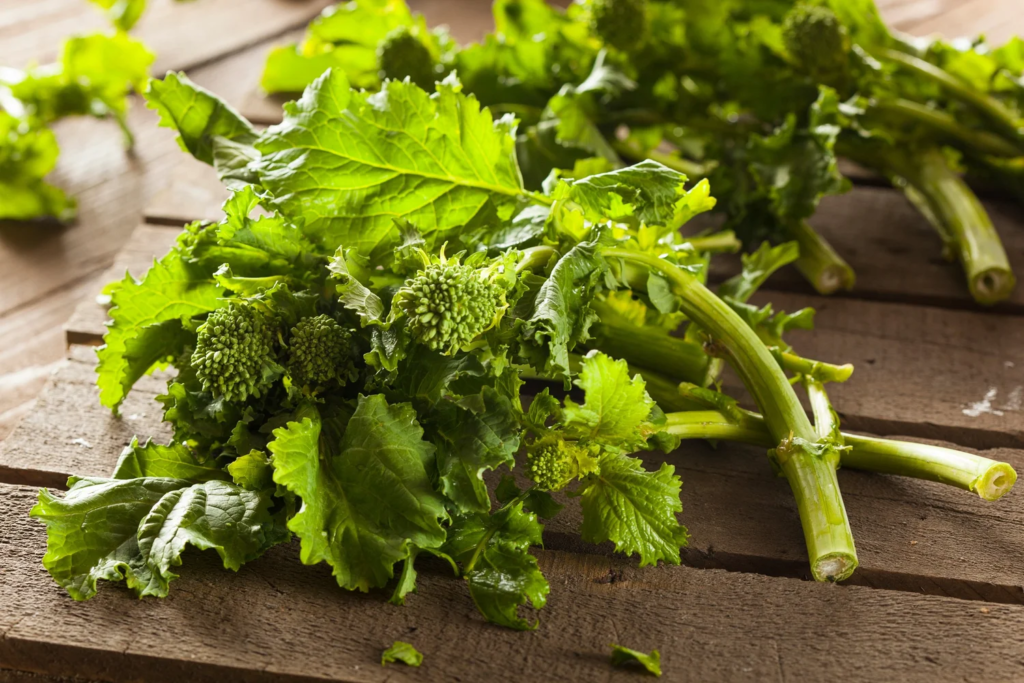
The core of the rabe definition lies in its identification as a green cruciferous vegetable, scientifically related to the Brassica family. It is commonly known as broccoli rabe, although it is not actually a type of broccoli. Instead, it is more closely related to turnips, which explains its slightly bitter taste and leafy texture. This distinction is crucial because many people mistakenly associate rabe with traditional broccoli due to its name and appearance.
In broader linguistic usage, the rabe definition may also vary depending on regional dialects and contexts. For example, in some European languages, variations of the word “rabe” may refer to similar plants or even entirely different meanings. However, in modern English usage, particularly in food-related discussions, the term consistently points to the vegetable. This consistency has helped standardize the rabe definition in global culinary and nutritional conversations.
Historical Origins of the Word Rabe
The historical roots of the rabe definition trace back to European languages, particularly Italian and German influences. The term is believed to derive from the Italian word “rapa,” meaning turnip, which aligns with the vegetable’s botanical classification. Over time, as Italian cuisine spread globally, the word evolved into “rabe” in English-speaking regions, especially in the United States, where broccoli rabe became a popular ingredient.
Additionally, the German word “Rabe” translates to “raven,” which is entirely unrelated to the vegetable but highlights how language evolution can create overlapping terms with different meanings. This dual origin often causes confusion, making it essential to rely on context when interpreting the rabe definition. By understanding its linguistic history, users can better appreciate how the term has developed and why it carries specific meanings today.
Rabe in Culinary Context: A Complete Explanation
In the culinary world, the rabe definition is most commonly associated with broccoli rabe, a staple in Italian and Mediterranean cuisine. Known for its slightly bitter flavor, rabe is often sautéed with garlic, olive oil, and spices to create flavorful side dishes. Its unique taste profile makes it a popular choice for balancing rich and savory meals, particularly in pasta, sandwiches, and meat-based dishes.
Chefs and home cooks alike value rabe for its versatility and nutritional benefits. It is rich in vitamins A, C, and K, as well as essential minerals like calcium and iron. Understanding the rabe definition in this context helps individuals make informed decisions about ingredient selection and preparation methods. As global cuisine continues to evolve, rabe remains a key ingredient that bridges traditional recipes with modern culinary innovation.
Differences Between Rabe and Similar Vegetables
A clear understanding of the rabe definition requires distinguishing it from similar vegetables such as broccoli, kale, and spinach. While broccoli rabe may resemble broccoli in appearance, it has smaller florets, thinner stems, and a more pronounced bitter flavor. This difference is significant in cooking, as substituting one for the other can alter the taste and texture of a dish.
Similarly, rabe differs from leafy greens like kale and spinach in both flavor and nutritional composition. While all these vegetables belong to the broader category of greens, rabe’s bitterness and slightly nutty undertone set it apart. Recognizing these differences is essential for both culinary accuracy and nutritional planning. By clearly understanding the rabe definition, individuals can avoid common misconceptions and make better choices in the kitchen.
Modern Usage of Rabe Definition in Language and Media
In 2026, the rabe definition extends beyond traditional dictionaries and into digital media, where it appears in recipes, blogs, and social platforms. Content creators frequently use the term when sharing cooking tutorials or discussing healthy eating habits. As a result, the visibility of rabe has increased significantly, making it a familiar term for a broader audience.
Moreover, the rise of global cuisine trends has contributed to the widespread adoption of the term. As people explore international dishes, they encounter ingredients like rabe more frequently. This exposure reinforces the importance of understanding the rabe definition accurately. In digital communication, where clarity is key, using precise terminology helps build credibility and ensures that audiences receive correct and useful information.
Health Benefits Associated with Rabe
The rabe definition is closely linked to its nutritional value, making it an important topic in health and wellness discussions. Broccoli rabe is packed with antioxidants, which help combat oxidative stress and support overall health. Its high fiber content also aids digestion, making it a valuable addition to a balanced diet. These benefits contribute to its growing popularity among health-conscious individuals.
In addition to its antioxidant properties, rabe contains essential vitamins and minerals that support immune function and bone health. Regular consumption can contribute to improved well-being and reduced risk of certain chronic conditions. Understanding the rabe definition in a nutritional context allows individuals to appreciate its health benefits and incorporate it effectively into their diets.
Common Misconceptions About Rabe Definition
Despite its growing popularity, the rabe definition is often misunderstood. One common misconception is that broccoli rabe is simply a smaller or immature version of broccoli. In reality, it belongs to a different plant species, which explains its distinct taste and texture. This misunderstanding can lead to incorrect usage in recipes and confusion in culinary discussions.
Another misconception is that rabe is difficult to prepare or requires specialized cooking techniques. While its bitter flavor may seem intimidating, simple methods like sautéing or blanching can make it more palatable. By addressing these misconceptions, individuals can develop a more accurate understanding of the rabe definition and feel more confident using it in their daily lives.
Practical Tips for Using Rabe in Everyday Life
Applying the rabe definition in practical scenarios involves understanding how to select, store, and cook the vegetable effectively. When purchasing rabe, it is important to look for fresh, vibrant leaves and firm stems. Proper storage in the refrigerator helps maintain its quality and extends its shelf life, ensuring that it remains suitable for consumption.
In cooking, balancing rabe’s bitterness is key to creating enjoyable dishes. Pairing it with ingredients like garlic, lemon, or cheese can enhance its flavor and make it more appealing. These practical tips not only improve culinary outcomes but also reinforce the importance of understanding the rabe definition. By applying this knowledge, individuals can make the most of this versatile and nutritious ingredient.
Conclusion: Mastering the Rabe Definition in 2026
The rabe definition is more than just a simple explanation of a vegetable; it represents a blend of linguistic history, culinary significance, and nutritional value. From its origins in European languages to its role in modern cuisine, rabe has become an important term in global communication. Understanding its meaning ensures clarity and enhances both professional and everyday interactions.
As we move further into 2026, the importance of accurate terminology continues to grow. Whether you are a chef, a health enthusiast, or simply someone exploring new foods, mastering the rabe definition provides valuable insight. By embracing this knowledge, you can confidently navigate discussions, recipes, and cultural exchanges, making your experience richer and more informed.