
The Delta Connection DL3543 emergency landing on July 7, 2025, captured significant attention in the aviation community. A routine regional flight from Minneapolis-St. Paul International Airport (MSP) to Chicago Midway International Airport (MDW) turned dramatic when the crew declared an emergency shortly after takeoff and safely returned to the departure airport.
This incident highlights aviation safety protocols, rapid decision-making, and the reliability of modern regional jets. In this in-depth article, we explore every aspect of the Delta Connection DL3543 emergency landing, from the timeline and technical details to passenger experiences, industry implications, and broader lessons for air travel safety.
Background on Delta Connection and Flight DL3543

Delta Connection serves as Delta Air Lines’ regional brand, operating shorter flights through partner carriers like Endeavor Air and SkyWest. These flights feed passengers into Delta’s major hubs for seamless connections.
Flight DL3543 operated on an Embraer E175 (registration N259SY), a popular regional jet known for comfort, efficiency, and advanced safety systems on routes under two hours. The scheduled flight from MSP to MDW typically lasts about one hour, making it a common commuter link between the Twin Cities and Chicago.
On July 7, 2025, the aircraft carried passengers expecting a standard short-haul journey. Conditions at MSP were reported as clear, with no adverse weather contributing to the events that unfolded.
Timeline of the Delta Connection DL3543 Emergency Landing
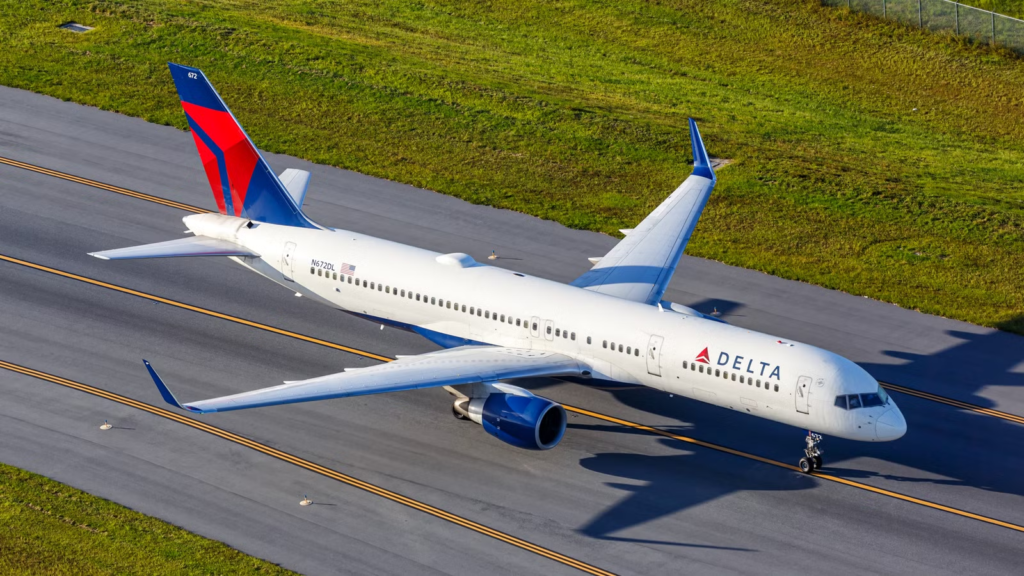
The sequence began normally:
- Takeoff from MSP: The flight departed around 13:09 UTC (local morning).
- Initial Climb: The Embraer E175 began its standard ascent.
- Anomaly Detection: Approximately 10 minutes after takeoff, the aircraft leveled off around 21,000 feet instead of continuing to cruising altitude.
- Turnaround: The pilots initiated a return to Minneapolis.
- Emergency Declaration: The crew squawked 7700, signaling an emergency to air traffic control (ATC) for priority handling.
- Safe Return and Landing: The aircraft touched down safely on runway 12R at MSP, just 37 minutes after departure. It then taxied to gate C12.
No injuries occurred, and passengers disembarked normally. Emergency services stood by as a precaution but were not needed for any evacuation or firefighting.
This rapid return demonstrated excellent crew resource management and adherence to standard operating procedures.
What Caused the Delta Connection DL3543 Emergency Landing?
While official investigation details may take time, reports pointed to a technical anomaly detected during climb. Possible causes discussed in aviation circles include:
- Pressurization System Alert: A common trigger for precautionary returns in regional jets. Cabin pressurization issues require immediate attention to ensure passenger comfort and safety.
- Flaps or Hydraulic Concerns: Some tracking suggested a flaps-related indication.
- Power or Electrical Interruption: Pilots sometimes manage transient electrical issues with established checklists.
In aviation, crews follow the principle of “better safe than sorry.” Declaring an emergency grants priority landing rights and mobilizes ground support without necessarily indicating a catastrophic failure. The Delta Connection DL3543 emergency landing exemplified this cautious approach.
Aircraft Involved: Embraer E175 Safety Features
The Embraer E175 features redundant systems, including dual hydraulic circuits, advanced avionics, and robust pressurization controls. These aircraft undergo rigorous maintenance under FAA oversight.
Key safety elements include:
- Multiple backup systems for critical functions.
- Real-time monitoring and fault detection.
- Strong structural design for regional operations.
The safe outcome of DL3543 underscores the aircraft type’s reliability when pilots follow protocols.
Role of the Flight Crew and Air Traffic Control
Pilots train extensively for emergencies. In this case, the crew quickly assessed the situation, consulted checklists, communicated with ATC, and executed a controlled return.
Air traffic controllers at MSP cleared airspace, prioritized the flight, and coordinated with emergency services. This seamless collaboration between cockpit and ground teams ensured a textbook response.
Passenger Experiences and Aftermath
Passengers reported the flight as initially normal before noticing the turn. Crew announcements likely provided reassurance, a standard practice to maintain calm.
After landing, Delta and its partner airline assisted with rebooking, potential compensation, and accommodations per policies. Most passengers reached their destinations later that day with minimal long-term disruption. The absence of injuries or damage highlighted the professionalism involved.
Aviation Safety Protocols in Emergency Landings
The Delta Connection DL3543 emergency landing followed industry best practices:
- Threat Assessment — Identify the issue using cockpit instruments.
- Memory Items and Checklists — Execute immediate actions.
- Communication — Declare emergency and inform ATC/passengers.
- Decision Making — Return to nearest suitable airport when safe.
- Post-Landing Procedures — Inspection, reporting, and investigation.
The FAA and airlines review such events to identify improvements, even in precautionary cases.
How Often Do Emergency Landings Occur?
Emergency landings or returns happen relatively rarely in commercial aviation, given millions of flights annually. Most result from minor technical issues, medical emergencies, or weather. Statistics show commercial aviation remains one of the safest transportation modes, with risks far lower than driving.
Incidents like DL3543 reinforce safety culture rather than indicate systemic problems.
Impact on Delta Connection Operations
Regional carriers like those operating Delta Connection maintain high dispatch reliability. A single event rarely disrupts broader schedules significantly, though the affected aircraft underwent inspection and possible maintenance before returning to service.
Delta’s response likely included transparent communication with affected customers to preserve trust.
Technical Aspects of Regional Jet Operations
Regional jets face unique demands: frequent takeoffs and landings, shorter routes, and operations in varied weather. Manufacturers and operators address these through:
- Predictive maintenance programs.
- Advanced diagnostic tools.
- Continuous pilot training in simulators.
The DL3543 incident provided data for ongoing safety enhancements.
Comparison with Similar Aviation Incidents
Many flights return shortly after takeoff due to alerts. Examples include pressurization warnings, indicator light issues, or bird strikes. In nearly all cases, professional handling leads to safe outcomes, much like the Delta Connection DL3543 emergency landing.
These events demonstrate layered safety defenses: design, maintenance, training, and procedures.
The Human Element in Aviation Safety
Behind every safe landing are highly trained professionals. Pilots, flight attendants, dispatchers, mechanics, and controllers work together. Public perception sometimes amplifies drama, but data shows these systems work effectively.
Regulatory Oversight and Investigations
The FAA, NTSB (if warranted), and the airline investigate reportable events. Even minor incidents contribute to the global safety database, helping prevent future issues through data-driven improvements.
Broader Implications for Air Travelers
For passengers, such events can cause anxiety but also build confidence when resolved safely. Tips for travelers include:
- Listening to crew instructions.
- Understanding that diversions and returns are precautionary in most cases.
- Checking airline policies for compensation and rebooking.
Advancements in Aviation Technology
Modern aircraft like the E175 incorporate sophisticated sensors and automation that detect problems early. Future developments in AI-assisted diagnostics and predictive analytics promise even higher reliability.
Frequently Asked Questions (FAQs)
What happened with Delta Connection DL3543?
The flight declared an emergency shortly after takeoff from Minneapolis on July 7, 2025, and returned safely to MSP due to a technical anomaly.
Was anyone hurt in the Delta Connection DL3543 emergency landing?
No. All passengers and crew disembarked safely with no reported injuries.
What caused the emergency on flight DL3543?
Reports indicated a technical alert, possibly related to pressurization, flaps, or electrical systems during climb. Exact details are confirmed through official investigation.
Which aircraft operated Delta Connection DL3543?
An Embraer E175 regional jet with registration N259SY.
Did the flight eventually reach Chicago?
Passengers were rebooked on alternative flights following the safe return to Minneapolis.
How common are emergency returns like DL3543?
They are uncommon but occur occasionally as precautionary measures. Most end safely due to strong protocols.
What should passengers do during such an event?
Remain seated, follow crew instructions, and stay calm. Crews are trained to manage these situations effectively.
Will this incident affect Delta’s safety record?
No. The safe handling actually demonstrates the strength of safety procedures rather than any deficiency.
Conclusion
The Delta Connection DL3543 emergency landing on July 7, 2025, serves as a powerful example of aviation safety in action. What could have been a routine flight became a demonstration of professionalism, quick thinking, and robust systems that prioritized passenger safety above all else. No injuries occurred, and the swift return to Minneapolis showcased the effectiveness of protocols designed for exactly these scenarios.
While the precise technical trigger continues to inform maintenance practices, the outcome reinforces why flying remains extraordinarily safe. Incidents like this, though newsworthy, highlight the layers of protection built into every flight. Passengers can fly with confidence knowing that crews and support teams are prepared to handle the unexpected.
As aviation continues evolving with new technologies and training methods, events such as the Delta Connection DL3543 emergency landing contribute valuable lessons that make air travel even safer for everyone.


